Swelling of the face, lips, or throat, difficulty breathing, widespread hives, or dizziness after an allergen exposure are signs of anaphylaxis — a life-threatening emergency. Call +91-8282 8989 18 immediately, use a prescribed epinephrine auto-injector if available, and don't wait to see if it improves on its own.
Most allergic reactions are mild and manageable — a bit of itching, a small rash. But some cross into anaphylaxis, a rapid, whole-body reaction that can be fatal without immediate treatment. Knowing where that line is can save a life.
What this guide covers
Mild Reaction vs Anaphylaxis
| Feature | Mild reaction | Anaphylaxis (severe) |
|---|---|---|
| Skin | Localized itching or small rash | Widespread hives, swelling of face/lips |
| Breathing | Normal | Difficulty breathing, throat tightness |
| Other | Mild discomfort | Dizziness, rapid heartbeat, fainting |
| Onset | Gradual | Often rapid — within minutes |
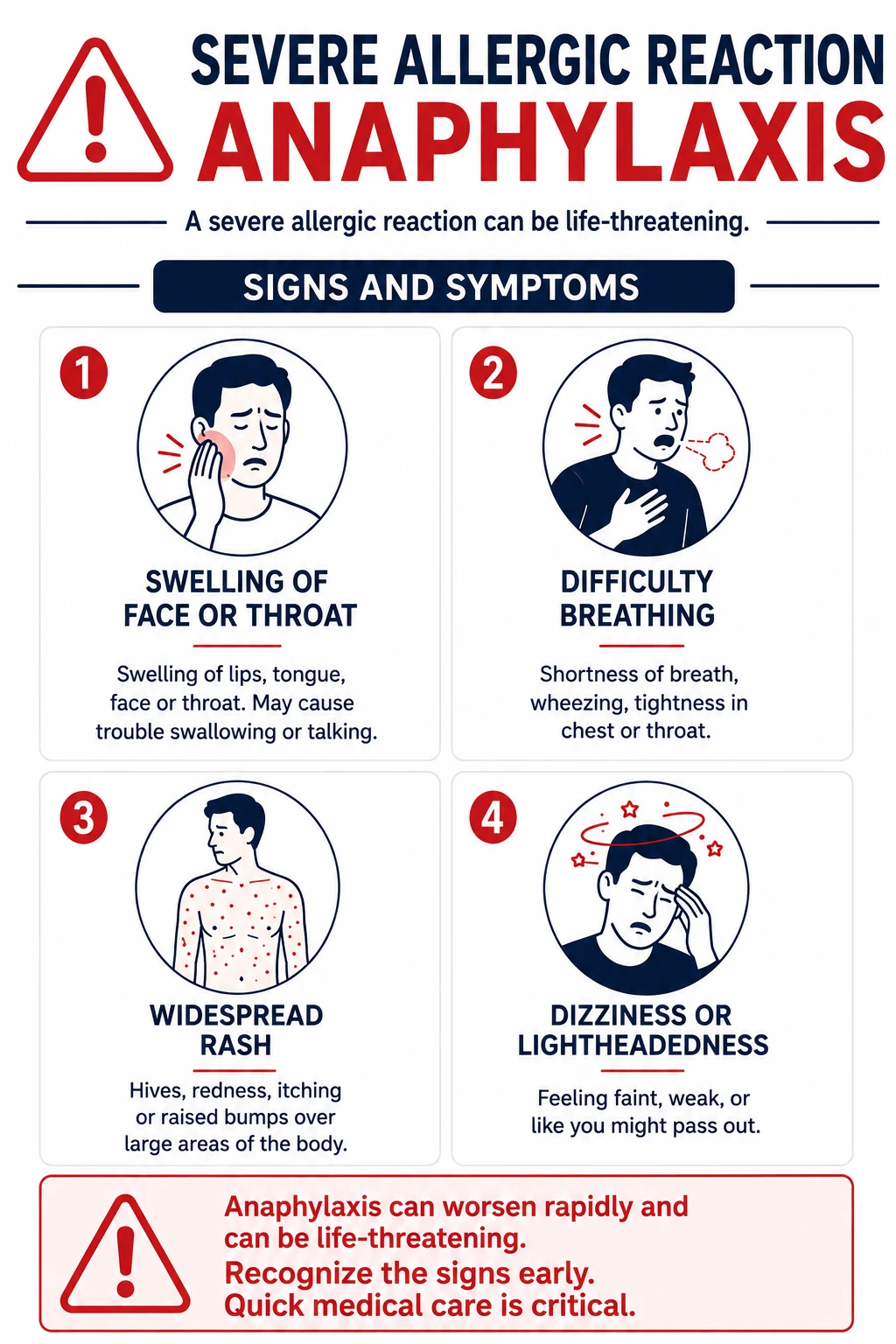
Figure 1: Recognising when an allergic reaction has become a medical emergency.
Warning Signs of Anaphylaxis
🚫 This is an emergency if you see
- Swelling of the face, lips, tongue, or throat
- Difficulty breathing or wheezing
- Widespread rash or hives across the body
- Dizziness, fainting, or a rapid, weak pulse
- Nausea, vomiting, or abdominal cramping alongside the above
- A sense of impending doom or extreme anxiety — often reported by patients experiencing anaphylaxis
What to Do Immediately
✅ Do this
- Call +91-8282 8989 18 or 108 immediately — anaphylaxis needs emergency treatment, not a wait-and-watch approach.
- If they have a prescribed epinephrine auto-injector, help them use it right away — don't delay.
- Help them lie down with legs raised if they feel dizzy or faint, unless breathing is difficult, in which case help them sit up instead.
- Remove the trigger if known and possible — such as a stinger, or stop exposure to the suspected food/substance.
- Stay with them until help arrives — symptoms can worsen quickly.
"Anaphylaxis moves fast, sometimes within minutes of exposure. If someone has a known severe allergy, having an action plan and an epinephrine auto-injector ready isn't overcautious — it's genuinely lifesaving."— Dr. Chaitanya Pilladi, Consultant Anaesthesiologist & Intensivist
Why Hospital Follow-Up Matters Even After Improvement
Even if symptoms improve after an epinephrine injection or initial treatment, a "biphasic reaction" — where symptoms return hours later — is possible. Anyone who has had a significant allergic reaction should be observed at a hospital, even if they start feeling better. Sri Ganga Hospital's emergency team is available 24×7 to manage and monitor allergic emergencies.
What Happens When You Arrive at Sri Ganga
- Immediate stabilisation — epinephrine, oxygen, and IV fluids are given as needed based on severity.
- Continuous monitoring — vital signs are tracked closely, since reactions can worsen or return even after initial improvement.
- Observation period — typically several hours, to watch for a biphasic (delayed second-wave) reaction.
- Follow-up guidance — advice on allergy testing, avoiding the trigger, and whether you should be prescribed your own epinephrine auto-injector going forward.
Who Is at Higher Risk of Anaphylaxis
- Known food, drug, or insect-sting allergies — especially to nuts, shellfish, certain antibiotics, or bee/wasp stings.
- A previous anaphylaxis episode — having had one raises the likelihood and often the severity of a future reaction.
- Asthma — people with asthma tend to have more severe respiratory symptoms during anaphylaxis.
- Family history of severe allergies — a genetic tendency toward allergic reactions can run in families.
Frequently Asked Questions
How do I know if an allergic reaction is becoming an emergency?
Watch for swelling of the face, lips, tongue, or throat, difficulty breathing, widespread rash or hives, dizziness, or a rapid heartbeat. Any of these, especially in combination, signal anaphylaxis, a life-threatening emergency requiring immediate care.
What should I do if someone is having a severe allergic reaction?
Call +91-8282 8989 18 or 108 immediately. If they have a prescribed epinephrine auto-injector, help them use it right away. Keep them calm, lying down with legs raised if they feel faint, unless they are having trouble breathing, in which case help them sit up.
Can a mild allergic reaction suddenly become severe?
Yes. Anaphylaxis can develop within minutes of exposure to an allergen, and a reaction that starts mild can escalate quickly. Anyone with a known severe allergy should always have an action plan and, if prescribed, carry an epinephrine auto-injector.
Key takeaways
- Swelling of the face/throat, breathing difficulty, or widespread hives mean anaphylaxis — call immediately
- Use a prescribed epinephrine auto-injector right away if available — don't delay
- Anaphylaxis can develop within minutes — treat any suspicious reaction as urgent
- Get hospital observation even after symptoms improve — reactions can return hours later
This guide is for general awareness and does not replace professional medical care. If you or someone near you shows signs of a severe allergic reaction, seek emergency care immediately.
- World Allergy Organization. Anaphylaxis Guidelines.
- American Academy of Allergy, Asthma & Immunology (AAAAI). Anaphylaxis: Symptoms and Emergency Treatment.
- National Health Mission, MoHFW. Emergency Medical Services (108) Guidelines.
Signs of a Severe Allergic Reaction? Call Now
Our emergency team is available 24×7 to manage and monitor anaphylaxis and severe allergic reactions.
🚨 Call +91-8282 8989 18 📅 Book an AppointmentRelated reading: 24×7 Emergency Care in Rajahmundry — Complete Patient Guide