A child pulled from water who coughs, seems shaken, and then appears normal can still develop breathing trouble hours later — even from a small amount of water reaching the lungs. Any near-drowning incident, however brief, needs medical evaluation, not just relief that the child "seems fine."
It's one of the most counterintuitive dangers in pediatric emergency care: a child who struggled in water, was pulled out, coughed, cried, and then went back to playing — can still be at risk hours later. Here's why, and what to watch for.
What this guide covers
Why "Seems Fine" Isn't the Full Picture
When a child struggles or briefly goes under in water, even a small amount can reach the airway and lungs. This can trigger delayed inflammation or fluid build-up in the lungs — sometimes called secondary or delayed drowning — that doesn't show symptoms right away. The child may look completely normal in the first hour, only to develop breathing difficulty later that day.
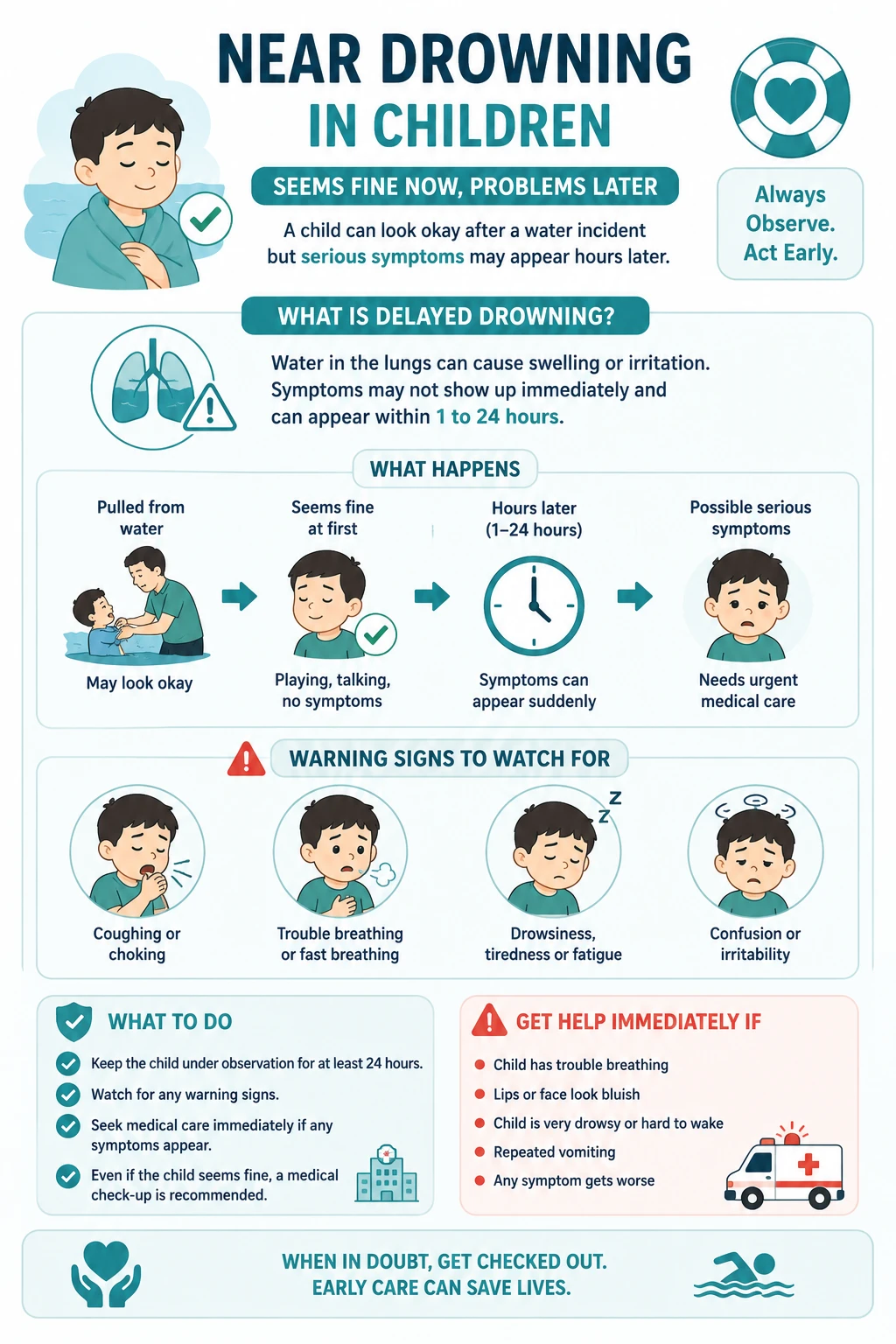
Figure 1: Why a child who seems fine after a water incident can still be at risk hours later.
What to Do Immediately After the Incident
✅ Do this
- Get the child out of the water and to safety first.
- Check if they're breathing normally and responsive.
- Even if they cough, cry, and seem alert, plan to have them medically evaluated — don't skip this step just because they look okay.
- Keep them warm and calm while arranging the evaluation.
Symptoms to Watch For Over the Next 24 Hours
🚫 Seek immediate care if you notice
- Persistent coughing that doesn't settle
- Difficulty breathing or rapid breathing
- Unusual tiredness, sleepiness, or lethargy
- Chest pain or discomfort
- Vomiting
- Any change in behaviour or alertness
"This is one of the hardest things to explain to relieved parents — the child is playing, laughing, seems totally normal, and we're still asking them to come in or watch closely. But delayed drowning is real, and the window where it can appear is worth taking seriously."— Dr. Chaitanya Pilladi, Consultant Anaesthesiologist & Intensivist
When to Seek Care
Any child involved in a near-drowning incident — even a brief one that seemed to end well — should be evaluated by a doctor. If any warning sign appears within 24 hours, treat it as an emergency and come in immediately. Our emergency team stabilizes your child and consults or refers to a pediatrician as needed.
What Happens When You Arrive at Sri Ganga
- Oxygen level check — measured immediately, since low oxygen can be present even without obvious breathing difficulty.
- Chest examination — listening for abnormal sounds that suggest fluid or irritation in the lungs.
- Observation period — children are typically monitored for several hours, since delayed symptoms fall within this window.
- Chest X-ray if needed — done if there are any breathing concerns during observation.
Frequently Asked Questions
My child was pulled from water, coughed a bit, and now seems normal. Do we still need a doctor?
Yes. Even a small amount of water in the lungs can cause delayed breathing problems that appear hours later, sometimes called secondary or dry drowning. Any child who has struggled in water, even briefly, should be medically evaluated.
What symptoms should I watch for after a near-drowning incident?
Watch for persistent coughing, difficulty breathing, unusual tiredness or sleepiness, chest pain, vomiting, or changes in behaviour over the following 24 hours. Any of these need immediate medical attention.
How long after a water incident can symptoms appear?
Delayed symptoms typically appear within 1 to 24 hours after the incident. This is why close observation for a full day, and prompt medical evaluation right after the incident, both matter.
Key takeaways
- A child "seeming fine" after a water incident doesn't rule out delayed drowning
- Symptoms can appear up to 24 hours later
- Persistent cough, breathing trouble, unusual sleepiness, or vomiting are red flags
- Get every near-drowning incident medically evaluated — don't rely on how the child looks in the first hour
This guide is for general awareness and does not replace professional medical evaluation. Following any near-drowning incident, seek medical care promptly.
- American Academy of Pediatrics. Drowning Prevention and Management.
- World Health Organization. Drowning Fact Sheet.
- American Red Cross. Water Safety and Drowning Guidelines.
- National Health Mission, Ministry of Health and Family Welfare, Government of India. Emergency Medical Services (108) Guidelines.
Near-Drowning Incident? Get Your Child Checked
Our emergency team is available 24×7 to evaluate children after any water incident, even if they seem completely fine.
🚨 Call +91-8282 8989 18 📅 Book an AppointmentRelated reading: 24×7 Emergency Care in Rajahmundry — Complete Patient Guide