Every home should keep a stocked, accessible emergency kit — bandages, antiseptic, a thermometer, gloves, a torch, and an emergency contact card with +91-8282 8989 18 written on it. Check and restock it every few months. It won't replace calling for help, but it means you're never caught unprepared in the first minutes.
Most families never think about a home emergency kit until they need one — and by then, it's too late to put it together. A simple, well-stocked kit takes 30 minutes to assemble and can make a real difference in those first critical minutes.
What this guide covers
The Essential Checklist
✅ What every kit should include
- Sterile bandages and gauze in a few sizes
- Antiseptic solution for cleaning wounds
- Adhesive tape and scissors
- A digital thermometer
- Disposable gloves
- A torch with extra batteries
- An emergency contact card — with +91-8282 8989 18 and 108 written clearly
- Any regular prescription medicines family members need, especially for chronic conditions
- Cotton, a mild pain reliever, and ORS packets
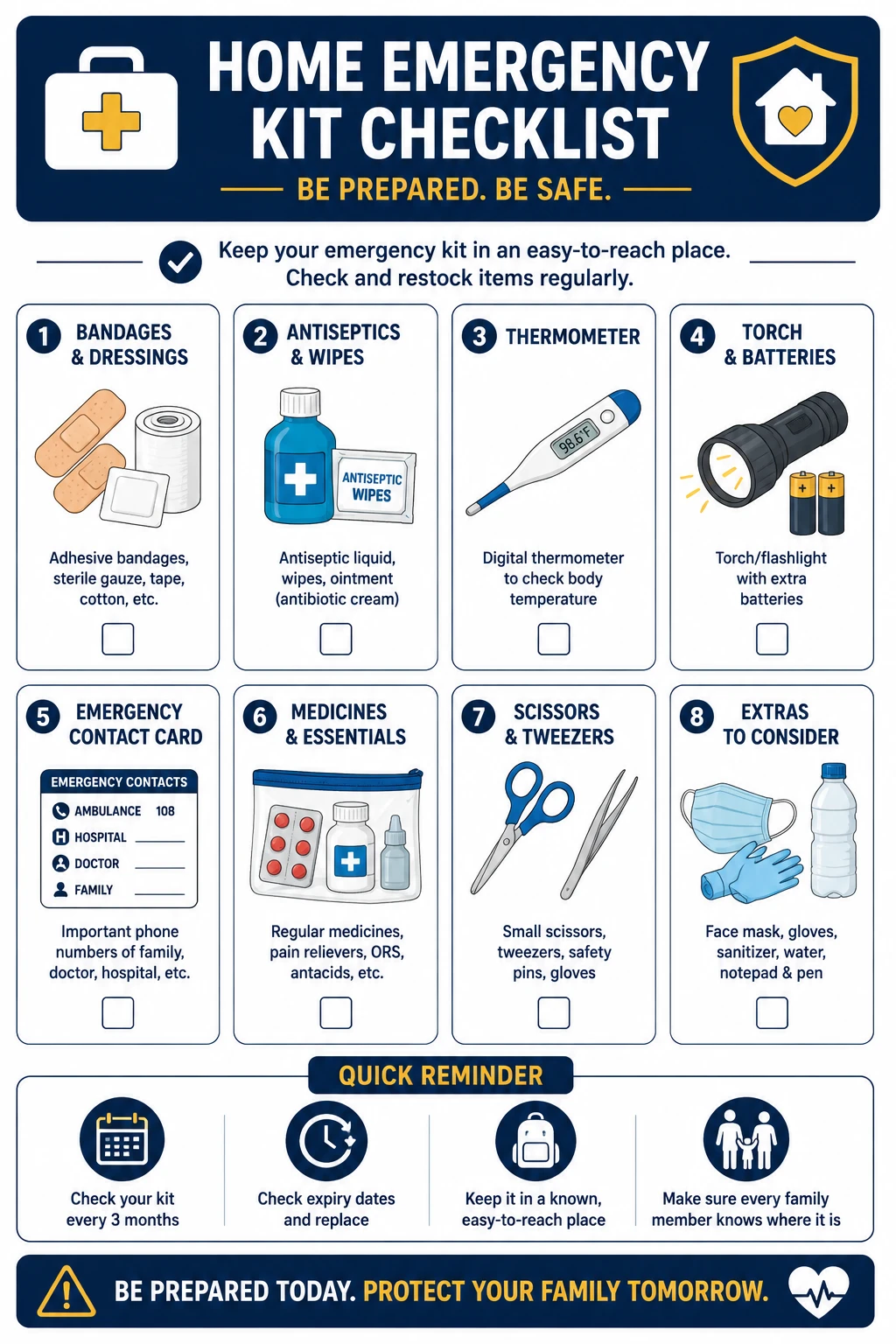
Figure 1: A simple, practical checklist for building your family's home emergency kit.
Where to Keep It
Choose one clearly labeled, easily accessible spot that every adult in the household knows — not tucked away in a hard-to-reach cupboard. Keep it away from small children's reach if it contains medicines, but easy enough to grab quickly in an emergency. Avoid areas with extreme heat, direct sunlight, or dampness, which can degrade medicines and supplies over time.
A kit that's hard to find in an emergency is almost as unhelpful as no kit at all. Make sure everyone at home — including older children — knows exactly where it is.
"A well-stocked home kit doesn't replace calling for professional help — but it buys you those first few minutes: cleaning a wound properly, checking a fever, having our number ready to call without searching for it. That's genuinely valuable."— Dr. Chaitanya Pilladi, Consultant Anaesthesiologist & Intensivist
Keeping It Ready — Maintenance Tips
✅ Simple habits that keep the kit useful
- Check every 3 to 6 months — set a reminder alongside another routine task.
- Replace expired medicines and antiseptics promptly.
- Restock anything used right after an incident, not "later."
- Update the emergency contact card whenever numbers change.
Frequently Asked Questions
What should be in a basic home emergency kit?
A basic kit should include sterile bandages and gauze, antiseptic solution, adhesive tape, scissors, a digital thermometer, disposable gloves, a torch with extra batteries, an emergency contact card, and any regular medicines family members need.
Where should I keep the emergency kit?
Keep it in an easily accessible, clearly labeled location known to every adult in the household, away from children's reach for medicines but easy to grab quickly. Avoid storing it in extreme heat or damp areas that can damage contents.
How often should I check and update the kit?
Check the kit every 3 to 6 months. Replace expired medicines and antiseptics, restock used items, and update the emergency contact card if numbers change.
Key takeaways
- A basic kit takes about 30 minutes to assemble and covers most common household incidents
- Keep it in one accessible, clearly known location
- Include an emergency contact card with +91-8282 8989 18 and 108
- Check and restock every 3–6 months
This guide is for general awareness. A home emergency kit supports — but does not replace — professional medical care. For any serious injury or illness, seek medical attention.
- World Health Organization. Basic First Aid Kit Recommendations.
- Indian Red Cross Society. Home First Aid Guidelines.
- American Red Cross. Family Emergency Preparedness.
Save Our Number in Your Emergency Kit
Whatever the emergency, we're here 24×7. Add +91-8282 8989 18 to your family's emergency contact card today.
🚨 Call +91-8282 8989 18 📅 Book an AppointmentRelated reading: 24×7 Emergency Care in Rajahmundry — Complete Patient Guide