Most minor head bumps in children heal fine with home observation. But repeated vomiting, unusual drowsiness, confusion, a seizure, or an inability to wake your child normally are red flags that mean immediate hospital care — call +91-8282 8989 18.
Kids bump their heads constantly — falls, playground mishaps, running into furniture. Most of these are harmless. But telling a harmless bump apart from something that needs urgent attention is one of the most common worries parents bring to us.
What this guide covers
When It's Safe to Observe at Home
If your child cried briefly, stayed alert, is walking and talking normally, and there's no vomiting or unusual behaviour, home observation for 24 hours is generally appropriate. A small bump or bruise on the scalp without other symptoms is usually not a cause for alarm.
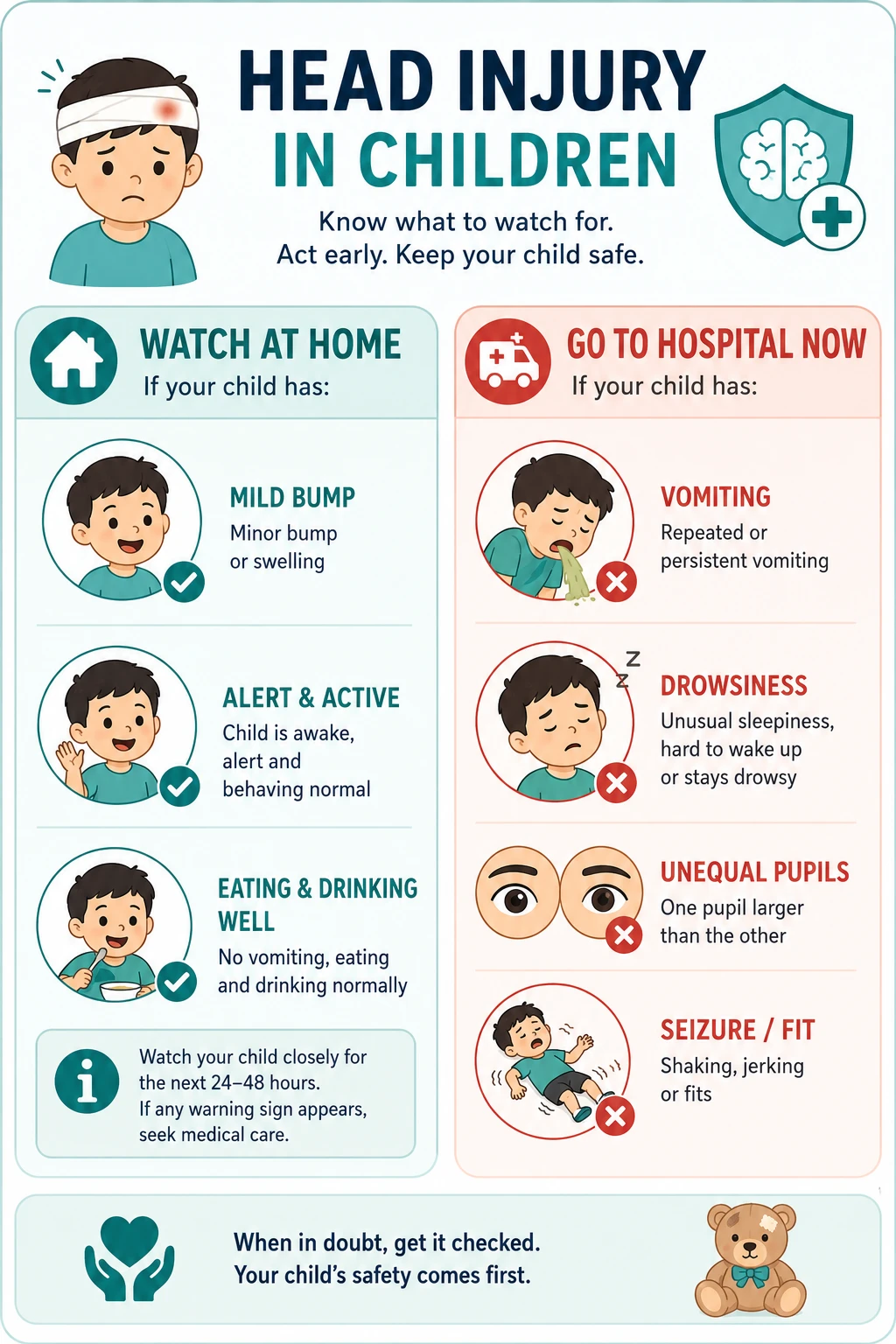
Figure 1: What to watch for at home — and what means it's time to go to hospital.
Red-Flag Signs — Go to Hospital Now
🚫 Seek emergency care immediately if your child has
- Repeated or worsening vomiting
- Unusual drowsiness or difficulty waking
- Confusion, slurred speech, or not recognising you
- A seizure or fit
- Unequal pupil size
- Visible skull deformity, deep wound, or a bump that keeps growing
- Blood or clear fluid coming from the nose or ears
- A fall from significant height, or a high-impact injury (e.g., from a moving vehicle)
Is It Safe for My Child to Sleep?
✅ Home monitoring tips
- Yes, sleep is fine — but wake your child every 2-3 hours during the first night to make sure they respond normally.
- Check that they recognise you and can answer simple questions when woken.
- If you cannot wake them, or they seem confused or unusually irritable when woken, seek emergency care immediately.
- Avoid giving pain medication that could mask worsening symptoms unless your doctor has advised it.
"Parents often ask if they're overreacting by coming in. For head injuries in children, I'd always rather see a child who turns out to be fine than have a family wait at home wondering. A quick check gives real reassurance."— Dr. Chaitanya Pilladi, Consultant Anaesthesiologist & Intensivist
What Happens at the Hospital
At Sri Ganga Hospital, a head injury evaluation typically includes a neurological check and, if warranted, imaging to rule out any bleeding or fracture. Our pediatric-aware emergency team is available 24×7 and will guide you on whether observation, imaging, or specialist referral is needed.
- Neurological check — alertness, pupil response, and coordination are assessed to screen for any concerning signs.
- Observation — many children are simply watched closely for a period, since most head bumps don't need imaging at all.
- Imaging if warranted — a CT scan is used selectively, based on specific risk criteria, not for every bump — this avoids unnecessary radiation exposure in children.
- Clear discharge guidance — if sent home, you'll get specific instructions on what to watch for overnight and when to come back.
Frequently Asked Questions
My child bumped their head and seems fine. Should I still worry?
Most minor head bumps in children are not serious and can be safely observed at home for 24 hours. Watch for vomiting, unusual drowsiness, confusion, or behaviour changes. If your child stays alert and acts normally, it is generally reassuring — but keep monitoring for the reasons above.
What are the red-flag signs after a child's head injury?
Seek immediate emergency care for repeated vomiting, unusual sleepiness or difficulty waking, confusion, a seizure, unequal pupil size, a visible skull deformity or deep wound, or fluid or blood coming from the nose or ears.
Is it safe to let a child sleep after a head bump?
Yes, but you should be able to wake them normally every few hours during the first night to check they respond appropriately. If you cannot wake them, or they seem confused when woken, seek emergency care immediately.
Key takeaways
- Most minor head bumps are safe to observe at home for 24 hours
- Repeated vomiting, drowsiness, confusion, or a seizure are red flags — go immediately
- It's safe for your child to sleep, but wake them periodically to check responsiveness
- When in doubt, get it checked — it costs little and gives real peace of mind
This guide is for general awareness and does not replace professional medical evaluation. Our emergency team stabilizes your child and consults or refers to a pediatrician as needed. If you're ever unsure about a head injury, seek medical care.
- American Academy of Pediatrics. Head Injury in Children: Clinical Guidance.
- National Institute for Health and Care Excellence (NICE). Head Injury: Assessment and Early Management.
- National Health Mission, MoHFW. Emergency Medical Services (108) Guidelines.
Worried About Your Child's Head Injury?
Our emergency team is available 24×7 to evaluate pediatric head injuries and guide you on the next steps. When in doubt, bring them in.
🚨 Call +91-8282 8989 18 📅 Book an AppointmentRelated reading: 24×7 Emergency Care in Rajahmundry — Complete Patient Guide