Never touch someone who is still in contact with an electrical source — switch off the power first, or use a dry wooden object to separate them. Even if the person looks fine afterward, electric shock can cause hidden internal damage, especially to the heart. Get them checked and call +91-8282 8989 18 if the shock was significant.
Electric shocks at home are more common than people realise — faulty wiring, wet hands near switches, damaged appliances. The rescuer's own safety comes first, and what looks like "no visible injury" can still hide serious internal risk.
What this guide covers
What to Do First — Safely
✅ Do this, in order
- Switch off the power at the mains or unplug the source if possible — this is the safest first step.
- If you can't switch off the power, use a dry, non-conductive object — a wooden stick, a plastic broom handle — to push the person away from the source. Never use anything metal or wet.
- Once safely separated, check if the person is conscious and breathing.
- Call +91-8282 8989 18 or 108 for any significant shock, especially if there's loss of consciousness, burns, or the shock came from a high-voltage source.
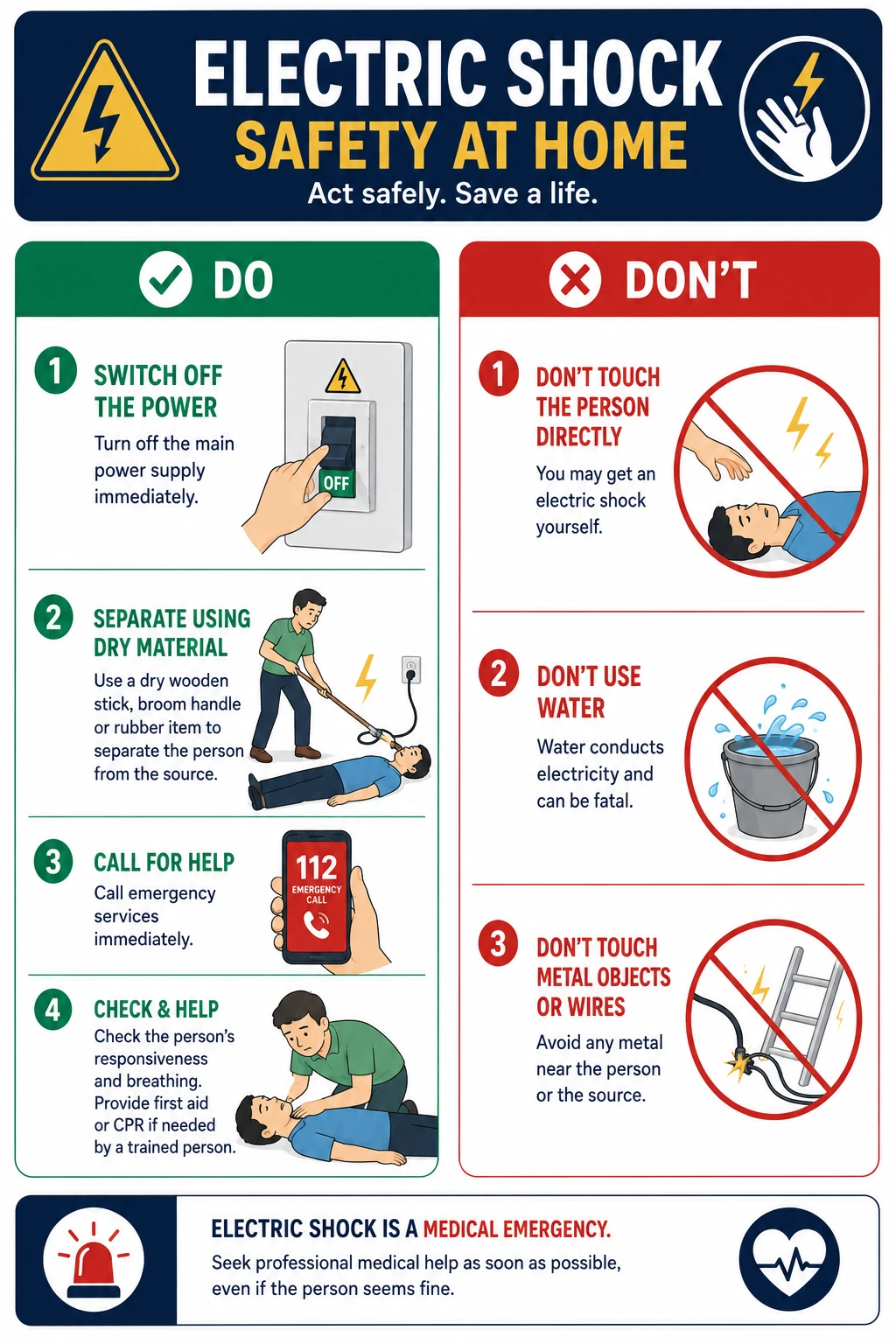
Figure 1: Safe first response to electric shock — protecting the rescuer first.
What You Must Never Do
🚫 Rescuer safety comes first
- Never touch the person directly while they're still in contact with the electrical source or a live wire — you risk being shocked yourself.
- Never use water to separate someone from an electrical source — water conducts electricity.
- Never touch any metal object near the shock source while trying to help.
- Don't assume it's over just because the person is conscious and talking — internal effects can develop afterward.
Hidden Dangers Even If They "Seem Fine"
Electric current travels through the body and can disrupt the heart's rhythm, cause internal burns along its path, or damage muscles and nerves — none of which is visible from the outside. A person can look completely normal minutes after a shock and still be at risk. This is why medical evaluation matters even when there's no visible injury.
"The visible burn is often the least of our concerns with electrical injuries. What we're really checking for is the heart rhythm and internal damage along the current's path — things a family simply can't assess at home."— Dr. Chaitanya Pilladi, Consultant Anaesthesiologist & Intensivist
When to Seek Hospital Care
Any electric shock beyond a very mild static-type jolt deserves medical evaluation — this includes shocks from household wiring, appliances, or higher-voltage sources. Seek immediate care for loss of consciousness, chest pain, irregular heartbeat, visible burns, or muscle pain following a shock. Sri Ganga Hospital's emergency team is available 24×7 with ECG monitoring for electrical injury cases.
What Happens When You Arrive at Sri Ganga
- ECG and cardiac monitoring — the heart's rhythm is checked and monitored, since electrical current can disrupt it even without any visible injury.
- Wound examination — entry and exit burn points, if any, are examined and treated; internal injury along the current's path is also assessed.
- Blood tests if needed — to check for muscle damage from significant shocks.
- Observation period — a period of monitoring is standard even when the person feels fine, since cardiac effects can take time to appear.
Frequently Asked Questions
What should I do first if someone gets an electric shock?
First, switch off the power source at the mains if possible. Do not touch the person while they are still in contact with the electrical source. If you cannot switch off the power, use a dry, non-conductive object like a wooden stick to separate them from the source.
Is it safe to touch someone who has had an electric shock?
Not while they are still in contact with the electrical source or live wire — you risk being shocked yourself. Once the power is off or they are safely separated from the source, it is safe to approach and help them.
The person seems fine after the shock. Do they still need a doctor?
Yes. Electrical injuries can cause internal damage, including heart rhythm disturbances, that are not visible from outside. Anyone who has had a significant electric shock should be medically evaluated, even if they feel okay.
Key takeaways
- Switch off the power before approaching — never touch someone still in contact with the source
- Use only dry, non-conductive objects to separate them if power can't be cut
- Internal damage, especially to the heart, isn't visible — get checked even if they "seem fine"
- Never use water or metal objects near an electric shock scene
This guide is for general awareness and does not replace professional medical care. In any significant electric shock, seek medical evaluation.
- American Burn Association. Electrical Injury Guidelines.
- National Safety Council. Electrical Safety Guidelines.
- National Health Mission, MoHFW. Emergency Medical Services (108) Guidelines.
Electric Shock? Get Checked, Even If They Feel Fine
Our emergency team offers 24×7 evaluation with ECG monitoring for electrical injury cases — internal damage isn't always visible.
🚨 Call +91-8282 8989 18 📅 Book an AppointmentRelated reading: 24×7 Emergency Care in Rajahmundry — Complete Patient Guide