Low blood sugar (shakiness, sweating, confusion, sudden onset) needs fast sugar — juice, glucose tablets — if the person is conscious. High blood sugar (excessive thirst, frequent urination, fruity breath, gradual onset) needs hospital care, not sugar. If unsure or the person is unconscious, call +91-8282 8989 18 immediately — don't guess.
For someone managing diabetes, both low and high blood sugar can turn into a medical emergency — but they need opposite responses. Giving sugar to someone with already-high blood sugar, or withholding it from someone with dangerously low sugar, can both cause harm. Here's how to tell them apart.
What this guide covers
Low Sugar vs High Sugar — How to Tell Them Apart
| Feature | Low Sugar (Hypoglycemia) | High Sugar (Hyperglycemia) |
|---|---|---|
| Onset | Fast — minutes | Gradual — hours to days |
| Key signs | Shakiness, sweating, confusion, hunger, irritability | Excessive thirst, frequent urination, fatigue |
| Advanced signs | Slurred speech, loss of consciousness | Fruity-smelling breath, rapid breathing, confusion |
| Correct response | Give fast-acting sugar if conscious | Do NOT give sugar — needs hospital care |
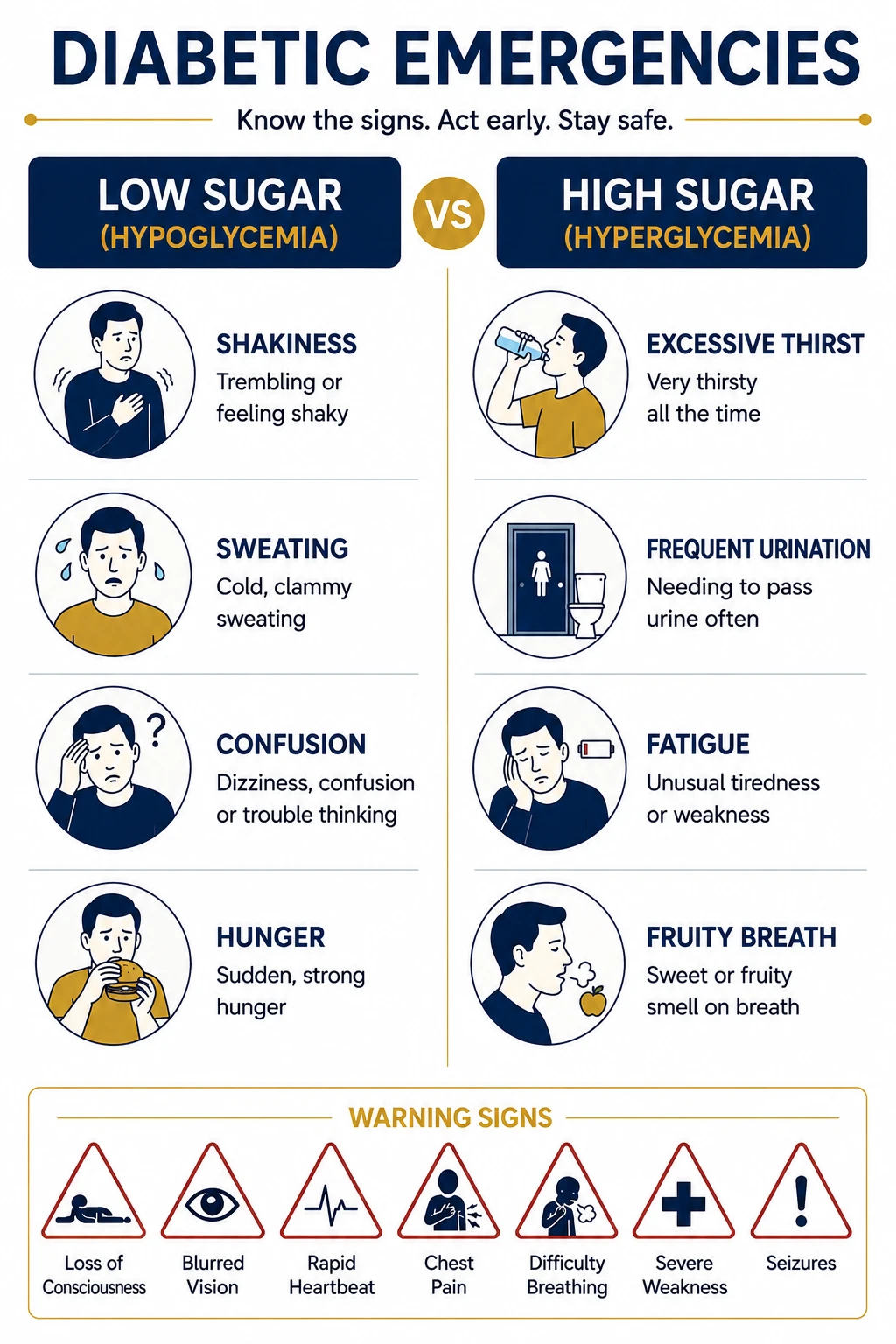
Figure 1: Two opposite diabetic emergencies — and why they need opposite responses.
Responding to Low Blood Sugar
✅ Do this if you suspect low sugar
- If conscious and able to swallow safely, give fast-acting sugar — glucose tablets, fruit juice, or a spoon of sugar.
- Wait 10-15 minutes and watch for improvement.
- If they don't improve, or are unconscious, do not give anything by mouth — risk of choking. Call for emergency help immediately.
Responding to High Blood Sugar
🚫 For suspected high sugar
- Do not give sugar or food — this can worsen the situation.
- Watch for confusion, rapid breathing, or fruity-smelling breath — these are signs of a serious complication needing hospital treatment.
- Call +91-8282 8989 18 or 108 and get them to a hospital for proper evaluation and treatment.
If You're Not Sure Which It Is
If a glucometer is available, checking blood sugar removes the guesswork. If it's not available and the person is conscious, a small amount of sugar is generally considered safe even if the sugar turns out to be high — a small amount won't cause significant harm, whereas withholding it from someone truly low can be dangerous. When in doubt, and especially if the person is confused or not improving, call for emergency help rather than guessing further.
"Families sometimes hesitate because they're worried about giving sugar to someone whose sugar might already be high. If they're conscious and you genuinely can't tell, a small amount of sugar is the safer choice — but the real answer is get a glucose reading, or get them to us."— Dr. Chaitanya Pilladi, Consultant Anaesthesiologist & Intensivist
When to Call for Emergency Help
Call immediately for loss of consciousness, seizures, confusion that doesn't improve, or any high-sugar emergency signs like rapid breathing or fruity breath. Sri Ganga Hospital's emergency team is available 24×7 with rapid glucose testing and treatment for diabetic emergencies.
What Happens When You Arrive at Sri Ganga
- Immediate glucose check — a finger-prick reading confirms whether it's low or high sugar within a minute, removing all guesswork.
- For low sugar — IV dextrose is given if the person can't safely take sugar by mouth, with rapid recovery closely monitored.
- For high sugar — IV fluids and, if needed, insulin are given under monitoring, along with checks for complications like diabetic ketoacidosis.
- Cause review — once stabilised, the team looks at what triggered the episode — a missed meal, an infection, a medication issue — to help prevent a repeat.
Who Is at Higher Risk of Diabetic Emergencies
- Poorly controlled blood sugar — frequent highs and lows make emergencies more likely.
- Skipping meals after taking insulin or diabetes medication — a common and preventable cause of low sugar episodes.
- Illness or infection — these can push blood sugar unpredictably high, sometimes triggering a serious complication.
- Newly diagnosed or recently changed medication — the body is still adjusting, and episodes are more common during this period.
Frequently Asked Questions
How can I tell if a diabetic emergency is low or high blood sugar?
Low blood sugar (hypoglycemia) usually comes on quickly with shakiness, sweating, confusion, and hunger. High blood sugar (hyperglycemia) develops more gradually with excessive thirst, frequent urination, and fatigue. If you are unsure and the person has a glucometer, check their sugar level; if not, and they are conscious, giving a small amount of sugar is generally safe.
What should I do for suspected low blood sugar?
If the person is conscious and able to swallow, give them something with fast-acting sugar, like glucose tablets, fruit juice, or regular sugar. Wait 10-15 minutes and check improvement. If they are unconscious or unable to swallow safely, do not give anything by mouth and call for emergency help immediately.
What should I do for suspected high blood sugar?
High blood sugar emergencies, especially with confusion, rapid breathing, or a fruity-smelling breath, need emergency medical care. Do not give sugar or food. Call +91-8282 8989 18 or 108 and get them to a hospital.
Key takeaways
- Low sugar comes on fast — shakiness, sweating, confusion; give sugar if conscious
- High sugar develops gradually — thirst, frequent urination; never give sugar, seek hospital care
- If unsure and the person is conscious, a small amount of sugar is generally the safer default
- Unconsciousness or non-improvement means call for emergency help immediately
This guide is for general awareness and does not replace professional medical care or your doctor's specific instructions for managing your diabetes. In any diabetic emergency, seek medical care promptly.
- American Diabetes Association. Standards of Medical Care in Diabetes — Hypoglycemia and Hyperglycemia.
- International Diabetes Federation. Managing Diabetes Emergencies.
- National Health Mission, MoHFW. Emergency Medical Services (108) Guidelines.
Diabetic Emergency? We're Ready 24×7
Our emergency team offers rapid glucose testing and treatment for both low and high blood sugar emergencies.
🚨 Call +91-8282 8989 18 📅 Book an AppointmentRelated reading: 24×7 Emergency Care in Rajahmundry — Complete Patient Guide