



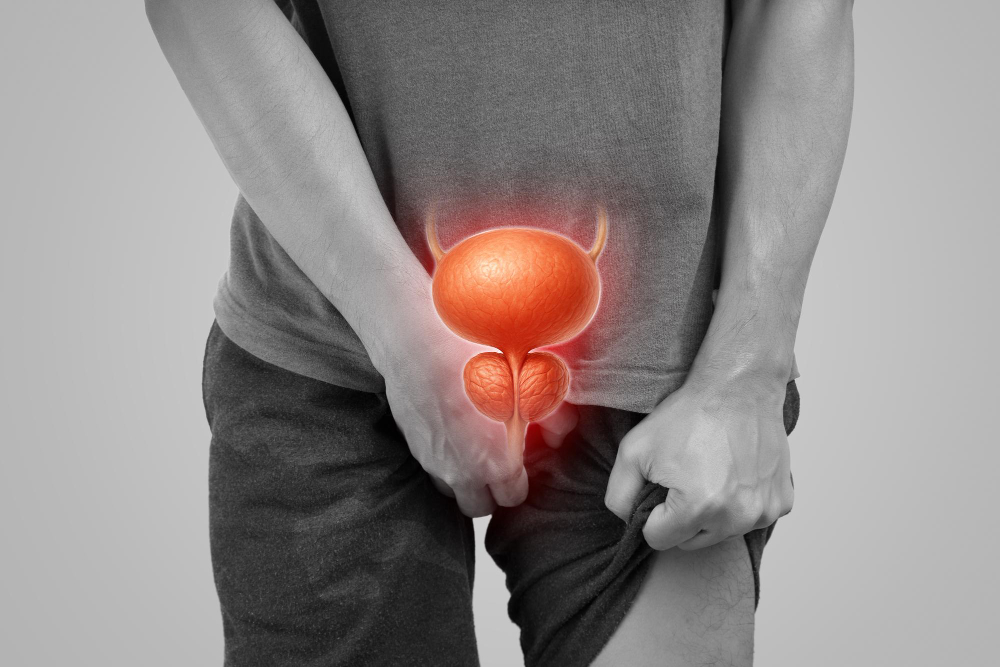
What is Urosepsis?
Urosepsis is a serious infection that starts in the urinary tract and spreads to the blood. Because it can quickly become life-threatening, early treatment is vital. The urinary tract includes the kidneys, bladder, and tubes that carry urine. When bacteria from a urinary tract infection (UTI) enter the bloodstream, they can cause urosepsis. This condition needs urgent medical care to prevent severe complications.
Common Symptoms of Urosepsis
Recognizing the signs of urosepsis early can save lives. Although symptoms may vary, some are more common. For example, you may notice:
Sometimes, symptoms can appear suddenly. Therefore, it is important to seek help if you notice these warning signs.
Causes and Risk Factors
Urosepsis usually starts with a urinary tract infection. However, not everyone with a UTI will develop urosepsis. Certain factors increase the risk, such as:
Because these factors make it easier for bacteria to enter the blood, people with them should be extra cautious.
How Urosepsis is Diagnosed
Doctors use several steps to diagnose urosepsis. First, they ask about your symptoms and medical history. Next, they may perform a physical exam. In addition, they often order tests such as:
Early diagnosis is key. Therefore, do not delay seeking care if you suspect urosepsis.
Treatment Options for Urosepsis
Treating urosepsis quickly can save lives. Most people need to stay in the hospital. Common treatments include:
Because urosepsis can worsen fast, starting treatment early is very important.
Prevention Tips and Lifestyle Guidance
While not all cases can be prevented, you can lower your risk. For example, you can:
In addition, regular check-ups can help catch urinary problems early.
When to Seek Medical Help
If you have symptoms of a urinary tract infection that do not improve, see a doctor. However, if you notice signs of urosepsis—such as high fever, confusion, or rapid heartbeat—seek emergency care right away. Early action can prevent serious complications and save lives.
If you suspect urosepsis or have symptoms, consult a healthcare specialist like Dr. Vivekananda Chaitanya immediately for personalized care.