

What is Iron Deficiency Anemia?
Iron deficiency anemia in women is a common health problem. It happens when your body does not have enough iron. Iron helps make hemoglobin, which carries oxygen in your blood. Without enough iron, your body cannot make enough healthy red blood cells. As a result, your organs and tissues may not get enough oxygen. This can cause many symptoms, not just tiredness.
Why Are Women at Higher Risk?
Women are more likely to get iron deficiency anemia than men. For example, women lose blood every month during their periods. Pregnancy also increases the need for iron. In some regions, women may not get enough iron from their diet. Because of these reasons, women should pay extra attention to their iron levels.
Symptoms: More Than Just Fatigue
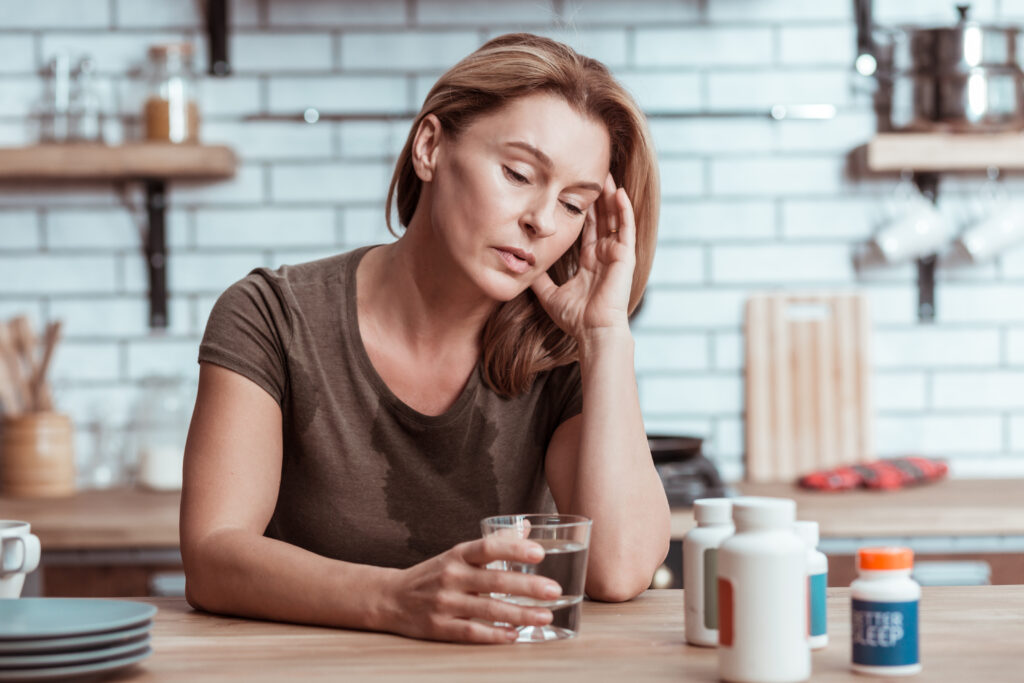
Many people think iron deficiency anemia only causes tiredness. However, it can cause many other symptoms. Some signs may be mild at first. Over time, they can get worse. Watch for these symptoms of iron deficiency:
Because these symptoms can be caused by other problems, it is important to get checked by a doctor.
Causes and Risk Factors
There are several causes and risk factors for iron deficiency anemia in women. Some of the most common include:
In some areas, women may face a higher risk due to limited access to nutritious foods. According to the World Health Organization (WHO), iron deficiency is the most common cause of anemia worldwide.
Diagnosis: How is Iron Deficiency Anemia Detected?
Doctors use simple blood tests to check for iron deficiency anemia in women. First, they may ask about your symptoms and medical history. Then, they will order tests such as:
These tests help your doctor find out if you have anemia and what is causing it. Sometimes, more tests are needed to check for bleeding or absorption problems.
Treatment Options
Treatment for anemia depends on the cause and how severe it is. Most often, doctors recommend:
In some cases, you may need iron through a vein (IV) or a blood transfusion. However, this is rare. Always follow your doctor’s advice about how much iron to take. Too much iron can be harmful.
Lifestyle and Dietary Guidance
Making healthy choices can help your body get enough iron. For example, you can:
Because some people have trouble absorbing iron, your doctor may suggest other ways to boost your levels.
Prevention Tips
There are simple steps to help prevent iron deficiency anemia in women. Try these tips:
With these steps, you can lower your risk and stay healthy.
When to See a Doctor
If you notice symptoms of iron deficiency anemia in women, do not ignore them. For instance, if you feel very tired, weak, or have trouble breathing, see your doctor. Early treatment can prevent serious problems. In addition, if you have heavy periods or are pregnant, regular check-ups are important. Your doctor can help you find the best way to manage your iron levels.
In summary, iron deficiency anemia in women is common but treatable. With the right care and healthy habits, you can feel better and stay strong. Consult a healthcare professional Dr. Vivekananda Chaitanya for personalized advice on iron deficiency anemia.