Cannabis — known locally as ganja — is not harmless. It affects both the body and the mind, can lead to dependence, and in vulnerable young people can trigger serious mental illness. Early recognition and professional help make a real difference. If cannabis is affecting your studies, work, relationships or mental health, seek help without delay.
Cannabis is often described as "natural" and "harmless." As a psychiatrist, I see the other side of that belief: young people whose studies, work, relationships and mental health have quietly unravelled. Understanding what cannabis really does to the body and mind is the first step to protecting yourself and your family.
How Common Is Cannabis Use in India?
Cannabis is one of the most widely used psychoactive substances in the country. According to the Government of India's national survey, the Magnitude of Substance Use in India (2019), about 2.83% of Indians aged 10–75 — roughly 3.1 crore people — had used a cannabis product in the previous year.
In Andhra Pradesh, the estimated prevalence is lower than the national figure, at around 1.04%. That may sound small, but it still represents a large number of people — and behind each statistic is a family affected by its consequences.
💡 The key point: "Common" and "safe" are not the same thing. Cannabis is common, but that does not make it harmless — especially for young people and those vulnerable to mental illness.
What Is Cannabis?
Cannabis refers to products made from the Cannabis sativa plant — including ganja, charas and bhang. Its main mind-altering chemical is THC (tetrahydrocannabinol), which acts on the brain to produce a "high." Modern cannabis products are often far more potent than in previous generations, and higher potency is linked to greater risk of harm.
People sometimes assume that because cannabis comes from a plant, it must be safe. But many harmful substances are also natural. What matters is the effect on the body and brain — and here, the evidence is clear.
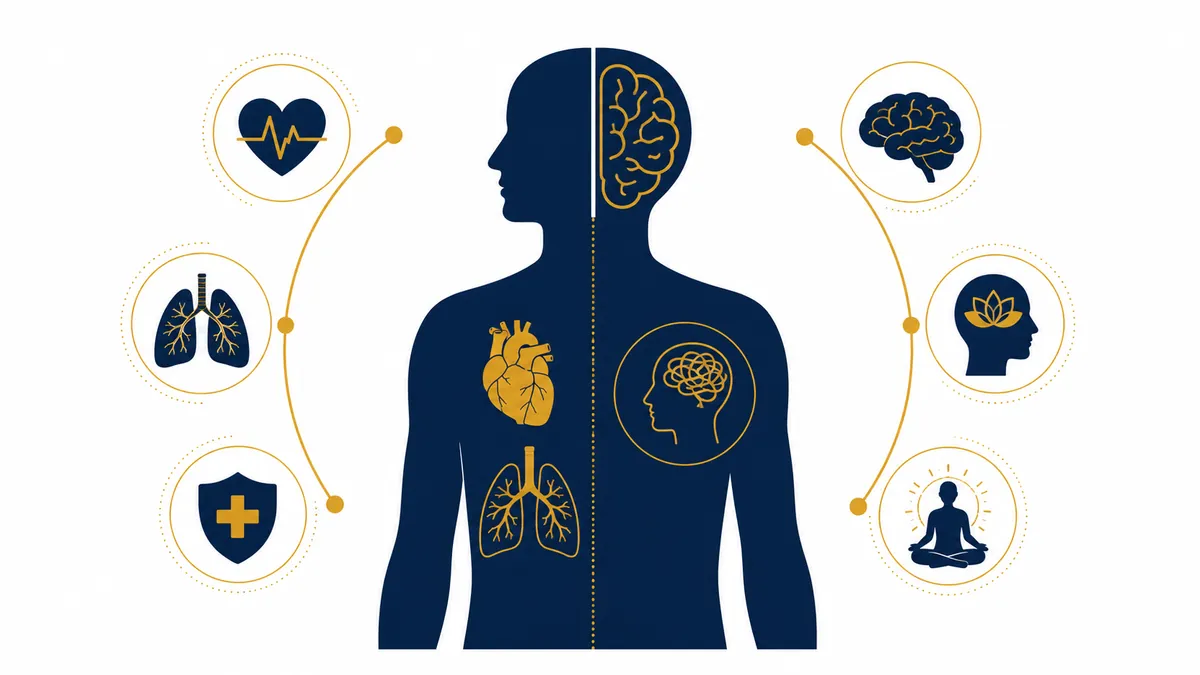
Figure 1: Cannabis affects two connected domains — the body and the mind.
Physical Health Effects of Cannabis
Cannabis affects the body in several ways, both immediately and over time:
- Impaired coordination and slower reaction time — raising the risk of road traffic accidents for anyone driving or operating machinery
- Increased heart rate and a temporary rise in blood pressure
- Chronic cough, bronchitis and lung irritation when smoked
- Reduced motivation and declining physical performance
- Sleep disturbances, particularly during withdrawal
- Cannabis dependence, with cravings and withdrawal symptoms when a regular user tries to stop
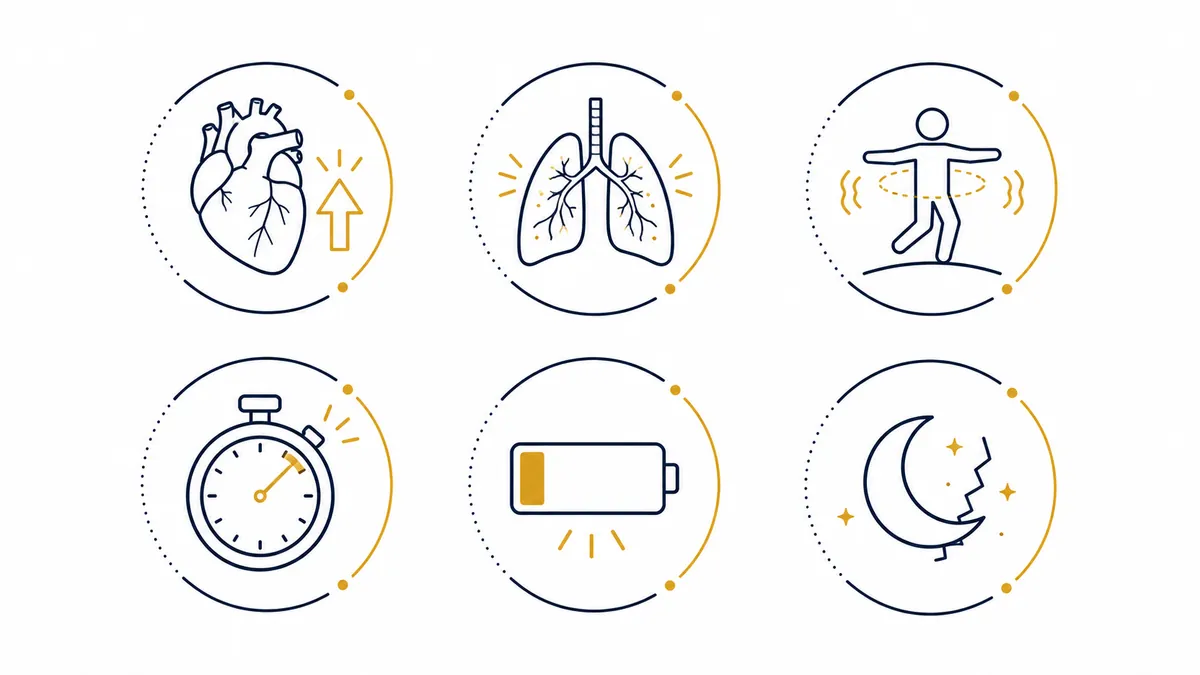
Figure 2: Common physical effects of cannabis use.
⚠️ On the Road
- Slowed reaction time and impaired coordination make driving under the influence of cannabis genuinely dangerous — to the user and to everyone else on the road.
Mental Health Effects of Cannabis
As a psychiatrist, this is the area that concerns me most. The effects of cannabis on the mind can be lasting and, in some people, severe:
- Impaired attention, concentration and memory — which directly harms learning
- Reduced academic and occupational performance
- Anxiety and panic attacks
- Depression and emotional instability in susceptible individuals
- Increased risk of psychosis and schizophrenia — especially with early, frequent or high-potency use
- Worsening of existing psychiatric illness
- Poor judgment leading to risky behaviours
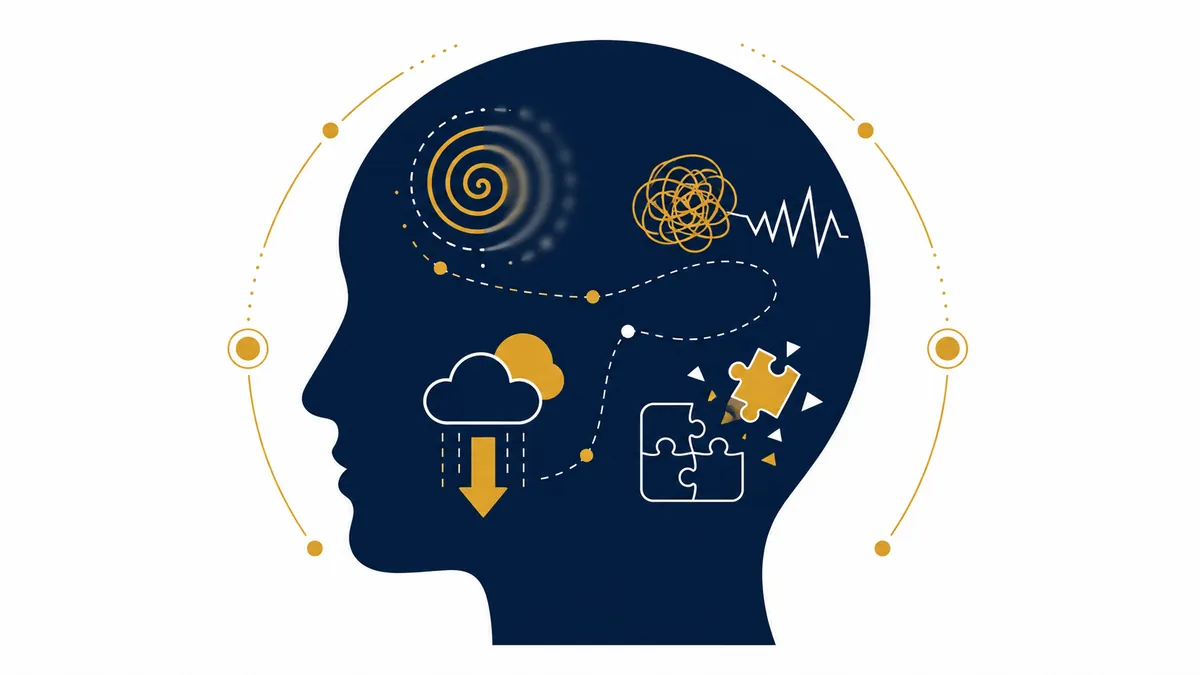
Figure 3: Cannabis and the mind — from memory and mood to psychosis risk.
⚠️ The Most Serious Risk
- In vulnerable young people, cannabis can trigger psychosis or schizophrenia — conditions that can change the course of a person's entire life. The younger and heavier the use, the greater the risk.
Who Is Most at Risk?
Cannabis does not affect everyone equally. The following groups are especially vulnerable:
- Adolescents and young adults, whose brains are still developing
- Individuals with a family history of psychiatric illness
- People using cannabis daily or using high-potency products
- Individuals with underlying anxiety or depression
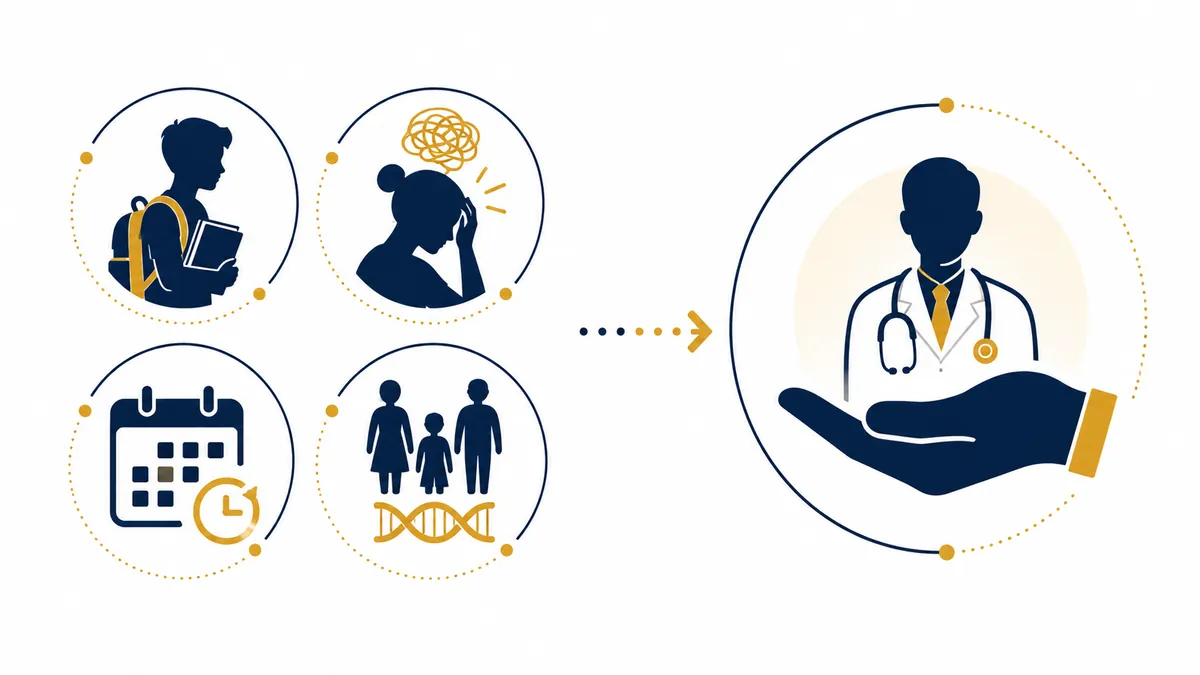
Figure 4: Those most at risk — and the message that help is available.
If you or someone you love falls into one of these groups, the risks described above are not abstract — they are significantly higher.
Common Myths About Cannabis
Being natural does not mean being safe. Cannabis changes brain chemistry and can cause dependence and mental illness.
Regular users can and do develop dependence, with real cravings and withdrawal symptoms.
While it may feel calming briefly, cannabis frequently worsens anxiety over time and can trigger panic attacks and low mood.
For adolescents and those vulnerable to mental illness, even occasional use carries real risk. There is no clearly "safe" amount for these groups.
🔑 Key Takeaways
- Cannabis is not harmless — it affects both the body and the mind
- It can cause dependence, with cravings and withdrawal
- In vulnerable young people it can trigger psychosis or schizophrenia
- Adolescents and those with a family history of mental illness are most at risk
- Early recognition and treatment improve outcomes — help is available and confidential
"Early intervention can prevent lifelong consequences. If cannabis use is affecting your studies, work, relationships or mental health, seek professional help without delay."— Dr. Akhilendra Srinivas Oggu, Consultant Psychiatrist, Sri Ganga Hospital
Talk to a Psychiatrist — Confidentially
Sri Ganga Hospital, Rajahmundry offers compassionate, confidential mental-health care. If cannabis use is affecting you or someone you love, reaching out is a sign of strength. Every conversation is private.
📅 Book a Consultation 💬 Chat on WhatsAppFrequently Asked Questions
No. Being a plant does not make cannabis safe. It contains psychoactive chemicals that affect the brain and body, and regular use can lead to dependence, memory problems, anxiety and, in vulnerable people, serious mental illness.
Yes. Cannabis use — especially when started early, used frequently, or in high-potency forms — increases the risk of anxiety, depression, psychosis and schizophrenia, particularly in people with a family history of psychiatric illness.
Yes. Regular users can develop cannabis dependence, with cravings and withdrawal symptoms such as irritability, poor sleep and low mood when they stop.
Adolescents and young adults, people with a family history of psychiatric illness, daily or high-potency users, and those with underlying anxiety or depression are most at risk.
Yes. Cannabis dependence and its mental-health effects are treatable. Early recognition and professional help from a psychiatrist improve outcomes significantly.
Seek professional help without delay if cannabis use is affecting studies, work, relationships or mental health, or if there are cravings, low mood, anxiety or difficulty stopping.
Medical disclaimer: This article is for general health education only. It does not constitute medical advice and is not a substitute for professional medical evaluation. Cannabis affects individuals differently. If you are concerned about cannabis use — your own or someone else's — please consult a qualified psychiatrist or doctor. Sri Ganga Emergency & Multispeciality Hospital is available for confidential consultation.
References: Ministry of Social Justice & Empowerment, Government of India. Magnitude of Substance Use in India. NDDTC, AIIMS; 2019. · World Health Organization. The Health and Social Effects of Nonmedical Cannabis Use. WHO; 2016. · National Institute on Drug Abuse (NIDA). Cannabis (Marijuana) Research Report. 2020. · Indian Psychiatric Society. Clinical Practice Guidelines for the Management of Substance Use Disorders.