


What Are Piles?
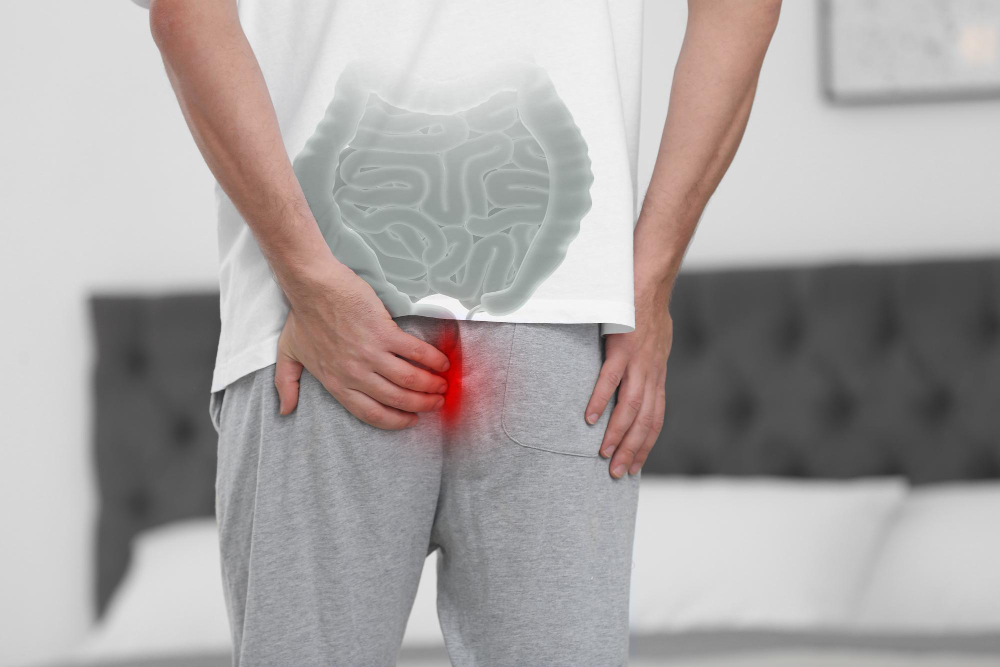
Piles, also known as hemorrhoids, are swollen veins in the lower part of the rectum and around the anus. These swollen veins develop due to increased pressure in the anal region, similar to how varicose veins develop in the legs. Piles can occur inside the rectum (internal piles) or around the anal opening (external piles).
Common Causes Include
Modern lifestyle habits such as low fiber intake, junk food, and sedentary work can contribute to the development of piles.
Common Symptoms of Piles
The symptoms of piles vary depending on the severity of the condition. Some patients may have mild symptoms, while others may experience significant discomfort. Common symptoms include:
In early stages, piles may cause only mild bleeding without pain, which is why many people ignore the problem.
When Should You See a doctor?
Many patients delay consulting a doctor because of embarrassment. However, it is important to seek medical advice if you notice the following symptoms:
Not all bleeding from the anus is due to piles; other conditions may also cause bleeding. A proper medical examination is necessary. Early consultation helps in diagnosing the condition accurately and starting appropriate treatment.
Treatment Options for Piles
The treatment of piles depends on the severity of symptoms and the stage of the disease.
1. Lifestyle and Diet Changes
In the early stages, piles can often be managed with simple lifestyle modifications, such as:
These measures help improve bowel movements and reduce pressure on anal veins.
2. Medications
Doctors may prescribe medications such as:
3. Minimally Invasive Procedures
For persistent symptoms, modern procedures may be recommended, including:
Laser treatment is becoming increasingly popular because it offers less pain and faster recovery in selected patients.
4. Surgery
In advanced cases where piles are large or recurrent, surgery may be required to remove the swollen tissue. Surgical treatment provides permanent relief in many patients.
Final Words
Piles are a common and treatable condition, but many patients delay treatment because of embarrassment or lack of awareness.
Recognizing the symptoms early and seeking medical advice can help prevent complications and ensure proper treatment.
If you experience *bleeding, pain, or swelling near the anus, it is always better to consult a Qualified Surgeon for Evaluation.
About the Author
Dr. B. Ravi Kiran
M.S, F.I.A.G.E.S
General, Laparoscopic & Laser Surgeon
Special interest in treatment of: