



What Is Tension Pneumothorax?
Tension pneumothorax is a serious medical emergency. It happens when air collects in the space around the lungs and cannot escape. As a result, this trapped air puts pressure on the lungs and heart. Because of this, the lungs cannot expand fully. This condition can quickly become life-threatening. Therefore, it needs fast emergency treatment for tension pneumothorax. The World Health Organization and other experts stress the need for quick action.
Common Symptoms and Warning Signs
Recognizing the signs of tension pneumothorax is very important. Early symptoms can appear suddenly and get worse fast. For example, you may notice:
Because these symptoms can get worse quickly, you should seek help right away if you notice them.
Causes and Risk Factors
There are several causes of tension pneumothorax. Sometimes, it happens after a chest injury. Other times, it can occur without warning. Common causes and risk factors include:
Even though anyone can develop this condition, people with lung problems are at higher risk.
How Tension Pneumothorax Is Diagnosed
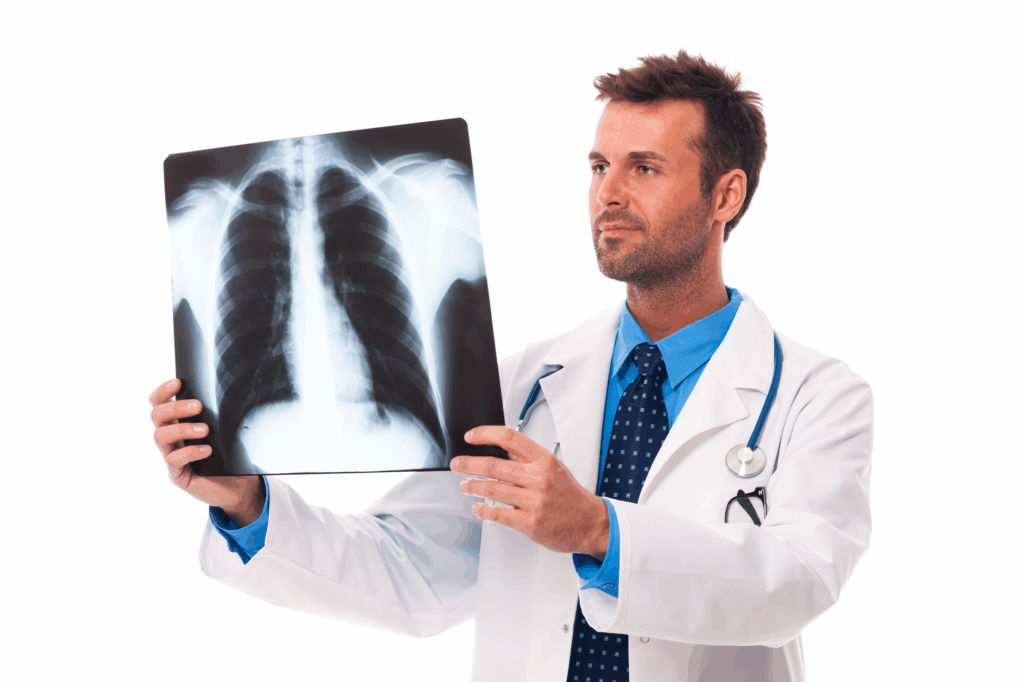
Doctors use several steps to diagnose tension pneumothorax. First, they check your symptoms and medical history. Next, they listen to your chest with a stethoscope. Often, they may notice reduced breath sounds on one side. In many cases, doctors order a chest X-ray to confirm the diagnosis. Sometimes, they use ultrasound for a faster answer. Because tension pneumothorax is an emergency, doctors may start treatment before all tests are done. Quick diagnosis saves lives. The CDC and medical journals agree that fast action is key.
Emergency Treatment Options
Tension pneumothorax needs immediate treatment. The main goal is to release trapped air and allow the lungs to expand. Common emergency treatments include:
Because this condition is life-threatening, emergency treatment for tension pneumothorax should never be delayed. Only trained medical staff should perform these procedures.
Prevention and When to Seek Help
While you cannot always prevent tension pneumothorax, you can lower your risk. For example, avoid smoking and seek care for lung problems. If you have had a pneumothorax before, follow your doctor’s advice. Always wear seat belts and use safety gear to prevent chest injuries. Most importantly, seek help right away if you notice any warning signs. Early action can save your life.
Frequently Asked Questions
Conclusion and Next Steps
Tension pneumothorax is a life-threatening emergency. Because symptoms can get worse quickly, you should never wait to seek help. If you suspect tension pneumothorax, seek emergency medical care immediately. Consult Dr.Vivekananda Chaitanya, a healthcare professional, for personalized advice.