



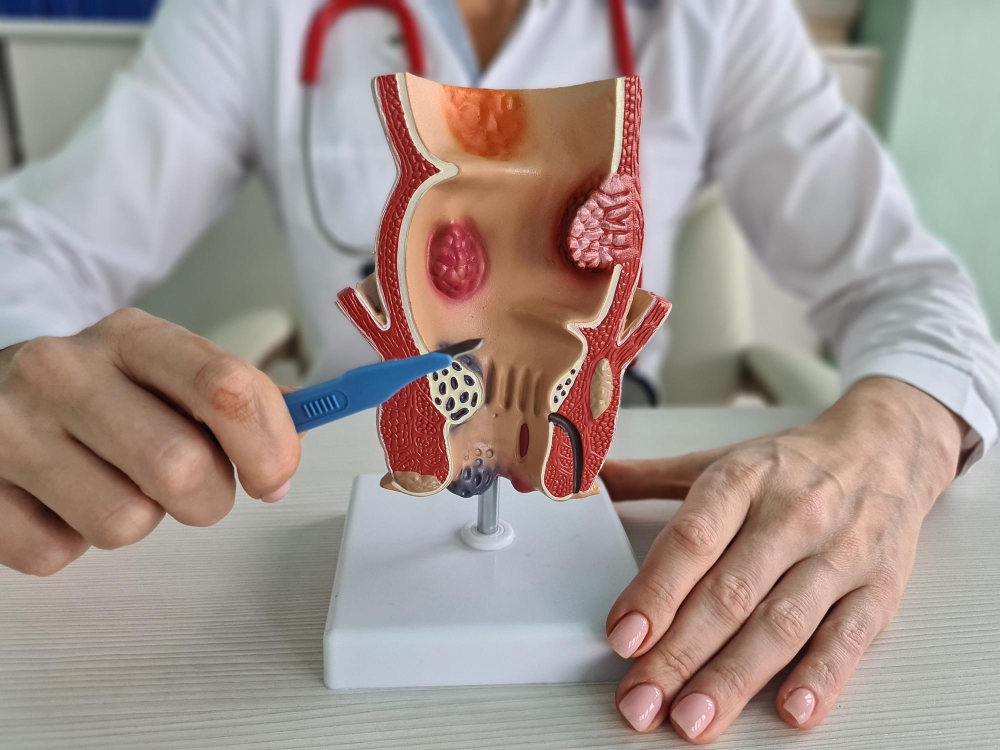
A Simple Guide for Patients
Many patients feel worried when they experience pain or bleeding near the anus. The three most common conditions affecting this area are piles, fissure, and fistula. Because the symptoms may appear similar, patients often get confused between these conditions.
However, these are three different problems, and each one requires a different type of treatment.
What Are Piles?
Piles (also called hemorrhoids) are swollen veins in the lower rectum or around the anus.
They are similar to varicose veins, but they occur in the anal region. Piles usually develop because of increased pressure while passing stools.
Common Causes of Piles
* Chronic constipation
* Straining during bowel movements
* Sitting for long periods
* Low-fiber diet
* Pregnancy
* Obesity
Symptoms of Piles
* Bleeding during passing stools (bright red blood)
* Itching around the anus
* Swelling or lump near the anal opening
* Mild discomfort while sitting
In many patients, piles cause bleeding without severe pain, especially in early stages.
What Is an Anal Fissure?
An anal fissure is a small tear or cut in the skin lining of the anus.
It usually occurs when hard stools stretch and injure the anal lining.
Common Causes of Fissure
* Severe constipation
* Passing hard stools
* Straining during bowel movements
Symptoms of Fissure
* Severe pain during passing stools
* *Burning sensation after bowel movement
* Small amount of bleeding
* Fear of passing stools due to pain
The pain in fissure can be very intense and may last for several minutes to hours after passing stools.
What Is an Anal Fistula?
An anal fistula is an abnormal tunnel or tract that forms between the anal canal and the skin near the anus.
It usually develops after an infection or abscess near the anus.
Common Causes of Fistula
* Previous anal abscess
* Infection of anal glands
* Inflammatory conditions
Symptoms of Fistula
* Persistent discharge of pus or fluid near the anus
* Pain and swelling
* Recurrent infection
* Small opening near the anal area
Patients with fistula often notice *continuous discharge that stains their clothes*, which can be uncomfortable and embarrassing.
When Should You See a Doctor?
You should consult a doctor if you experience:
* Bleeding during bowel movements
* Severe pain while passing stools
* Persistent swelling or lump near the anus
* Continuous discharge of pus or fluid
* Symptoms that do not improve with simple treatment
Early medical evaluation helps in *proper diagnosis and effective treatment
Call of Action
Although piles, fissure, and fistula affect the same region of the body, they are *different conditions with different causes and treatments.
Ignoring symptoms or delaying treatment may lead to *worsening discomfort and complications. Seeking medical advice early can help patients **receive appropriate treatment and recover faster.
About the Author
*Dr. B. Ravi Kiran*
M.S, F.I.A.G.E.S
General, Laparoscopic & Laser Surgeon
Special interest in treatment of:
* Piles
* Fissure
* Fistula
* Varicose veins
Sri Ganga Hospital, Rajahmundry
Appointment: 8282898918